
Reviving Britain’s Historic Gardens and Tea Rooms

Step into restored glasshouses, revived parterres, and warmly humming tea rooms as we explore restoration and sustainability in Britain’s historic gardens and tea rooms through detailed case studies. Expect practical strategies, candid lessons, and moving stories from curators, bakers, gardeners, and volunteers proving that heritage can flourish while reducing footprints and welcoming communities.

Foundations of Renewal

Before any spade touches soil, conservation starts with evidence, empathy, and ecology. We look at archives, photographs, plant lists, and oral histories, then pair them with soil tests, hydrology, and habitat mapping to define work that defends character, strengthens resilience, and sets clear, affordable, maintainable goals for decades.

Reading the Past to Guide Tomorrow

Estate plans, gardener’s diaries, and faded seed invoices often reveal lost paths, vanished borders, or kitchen plots that fed whole villages. Interpreting these traces with community memory prevents guesswork, honors makers’ intent, and helps prioritize phased works that visitors can follow, celebrate, and support across seasons.

Understanding Soil, Water, and Microclimate

Compaction, pH drift, shade patterns, and erratic rainfall reshape once‑balanced plant communities. Simple audits—core samples, infiltration tests, temperature logging—inform gentle interventions like mulching, contour swales, or canopy pruning. The result is healthier roots, safer paths, and water‑wise displays that handle dry spells and deluges without sacrificing historical readability.

Choosing Planting That Honors Heritage and Future

Historic palettes need not be museum‑still. Heirloom cultivars can mingle with resilient species, selected for pest resistance and bloom continuity under warmer summers. Trial beds and propagation frames reduce risk, while clear records help future teams understand choices, reverse experiments, and keep the narrative legible for families returning yearly.

From Kettle to Counters: Greener Tea Rooms

Brews taste better when powered by thoughtful choices. Efficient boilers, induction hobs, demand‑led ventilation, and LED re‑lighting cut energy while protecting patinaed beams. Reusable crockery replaces disposables; composting captures peels; local dairies and millers shorten miles. Share your favorite low‑waste teatime trick in the comments and inspire neighbors.

Victorian Productivity, Modern Care

Heritage vegetables thrive under hand‑lifted cloches while integrated pest management replaces broad sprays. Gardeners trial mulch recipes, swap seed with neighbors, and publish yields, turning nostalgia into an open laboratory. Visitors taste results in soups and buns, linking soil health to full bellies under trellised beans and ripening grapes.

Habitats Stitched Through Heritage Beds

Dead hedges woven from prunings shelter wrens beside restored pineapple pits. Ponds double as water stores and newt nurseries. By mapping paths for people and wildlife together, teams soften edges, slow runoff, and keep rare lichens thriving on ancient walls while families picnic without trampling delicate, recovering margins.

Kew’s Temperate House and Living Collections

The world’s largest Victorian glasshouse was reborn with discreet services, safer walkways, and climate controls respectful of both plants and fabric. Interventions balanced energy use with conservation needs, while interpretation invited visitors to examine materials, craft, and science underpinning each pane, rivet, seed label, and breath of humid air.

Glass and Iron, Saved with Subtle Science

Specialists documented every component, repaired rather than replaced where possible, and introduced reversible fixes. Improved seals and vents reduced heat loss without erasing silhouettes. Tours explain why restraint matters, building appreciation for maintenance budgets, scaffold time, and patient decision‑making that keeps daily energy needs and curatorial ethics aligned.

Plants Protected, Knowledge Shared

Behind the scenes, propagation benches and quarantine spaces protect wild‑collected treasures and heritage cultivars from pests. Staff publish notes on substrate trials and biological controls, helping peers cut chemicals while raising robust specimens. Public workshops empower students to care for houseplants responsibly, translating global conservation into everyday domestic rituals.

Millions Learn by Wandering

Interpretive labels, quiet corners, and family routes turn curiosity into action. After marveling at cycads, visitors read about energy meters and glazing choices, then pledge small changes: choosing peat‑free compost, fixing drafts, or joining a local friends group. Momentum grows path by path, breath by appreciative, dew‑smudged windowpane.

Harvesting Rain, Respecting Rivers
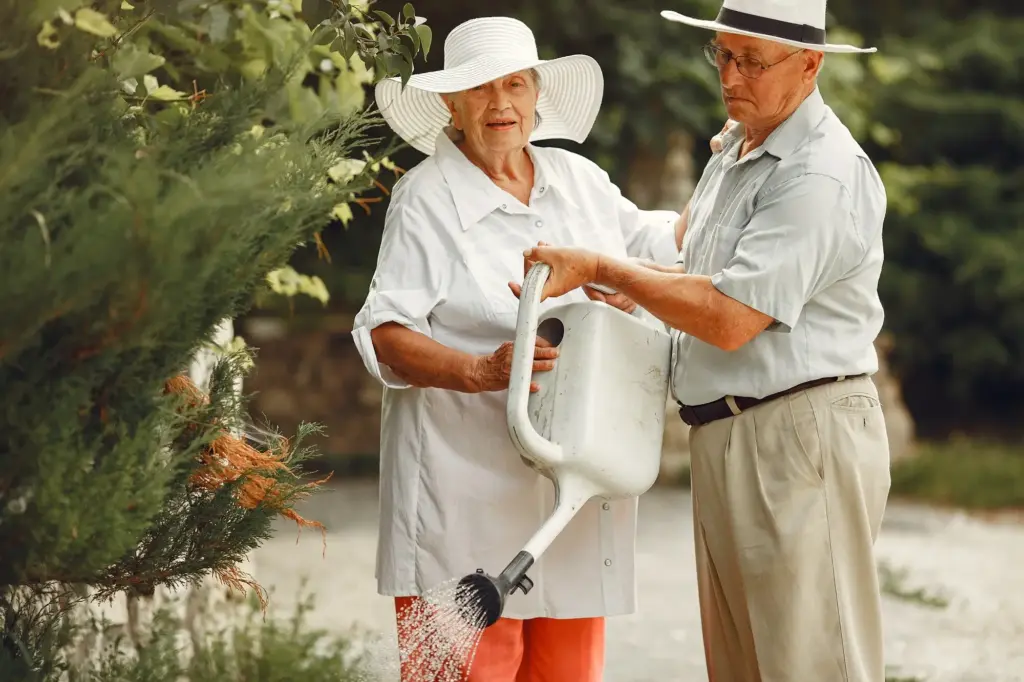
Cisterns tucked beneath courtyards, chains guiding water into barrels, and discreet reedbeds clean runoff before it rejoins streams. Gardeners watch gauges, irrigating only when thresholds demand. Interpretation reassures visitors that every drop saved eases downstream flooding risk while keeping borders lush during heatwaves that test patience and planting alike.

Designing for Drought Without Losing Charm

Switching thirsty lawns to tapestry plantings blends thyme, camomile, and clipped herbs, keeping formality while slashing water use. Gravel mulches and shade trees cool routes for prams and wheelchairs. Trial plots share survival data, so future caretakers inherit evidence, not hunches, and style remains crisp through long, bright summers.

Old Skills Trained for New Challenges

Stonemasons patch ha‑has with lime, joiners mend sash windows that frame viewlines, and electricians route cabling where bats sleep. Apprentices shadow elders, then teach school groups, securing futures for tools and tales. Share your local craft hero’s story so we can cheer them, commission work, and pass skills onward.

Partnerships, Grants, and Honest Budgets

National Trust teams, parish councils, and small charities co‑author bids that match conservation need with carbon savings and social value. Phasing avoids closure shocks; dashboards let donors track progress. If you steward a place, reply with your favorite funder tip to help peers unlock patient, purpose‑driven investment.
Sirakavixarivanivexo
Privacy Overview

This website uses cookies so that we can provide you with the best user experience possible. Cookie information is stored in your browser and performs functions such as recognising you when you return to our website and helping our team to understand which sections of the website you find most interesting and useful.